Reliable Wilmington Locksmith Service Team
Local locksmith team
Jun 15, 2026 10 min read
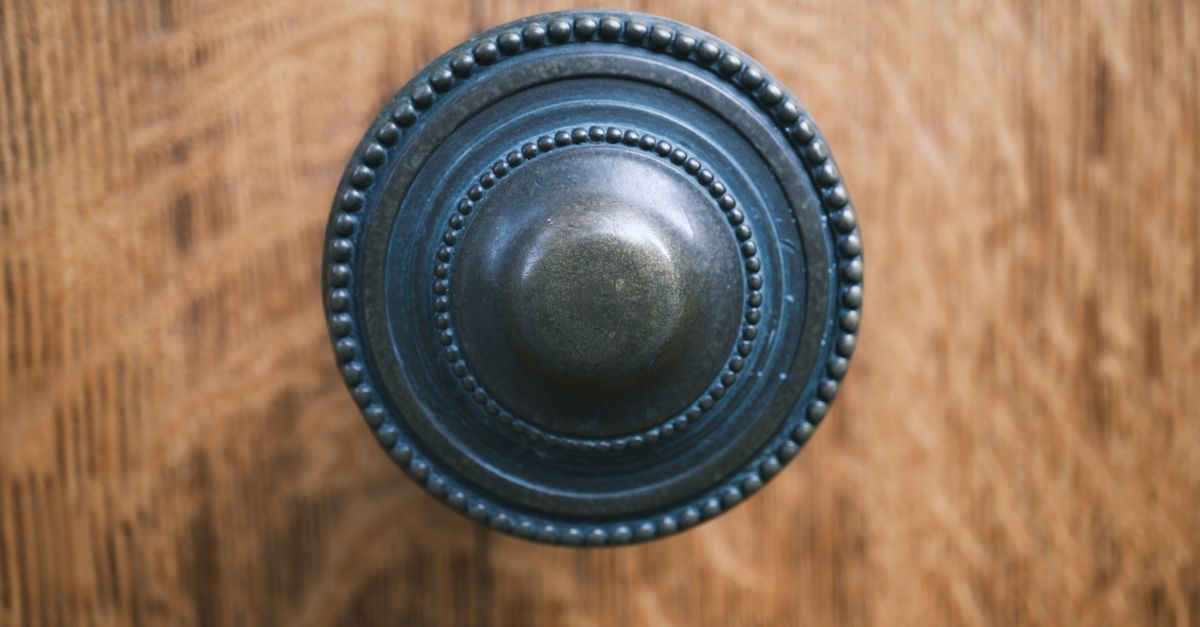
A sticky or jammed door knob lock is one of those small household frustrations that tends to get ignored — until the morning you are running late and the knob simply refuses to turn. Whether it is the front door of a home off Kennett Pike, a bedroom entry, or a side door that sees heavy daily use, a stiff knob lock is almost never just a cosmetic annoyance. It is usually a warning sign that something mechanical is wearing out, misaligned, or corroding inside the cylinder — and catching it early can save you from a full lockout later.
This guide walks you through the most common reasons a door knob with lock and key stops working smoothly, what you can realistically check yourself, and — crucially — when the problem calls for a trained locksmith rather than a weekend fix. Because some repairs, especially those involving a mortise lock or a compromised cylinder, require the right tools and hands-on experience to do safely and correctly.
## Why Your Door Knob Lock Sticks: The Real Causes Behind a Stiff Knob
There are several distinct reasons a knob lock becomes difficult to operate, and understanding them helps you describe the problem accurately — whether you are trying a quick DIY check or calling a professional. The most common culprit is simple lubrication failure. The internal pins, springs, and plug inside a lock cylinder are precision parts that rely on a thin layer of lubrication to move freely. Over time, that lubrication dries out, collects dust, or — in older homes — turns into a gummy residue that binds the mechanism. This is especially common on exterior doors in the Greenville, DE area, where mid-Atlantic humidity cycles between wet summers and freezing winters and accelerate wear inside any exposed knob lock.
A second major cause is a misaligned door or frame. When a door shifts on its hinges — due to seasonal wood swelling, settling of the house foundation, or worn hinge hardware — the latch bolt no longer lines up cleanly with the strike plate. The knob still turns, but the latch drags against the plate edge on every open and close. Over months, this wears a groove into the latch face and puts strain on the entire lock mechanism. You can usually spot this by looking at whether the door sits evenly in its frame or whether the latch visibly rubs when you close it slowly. A third cause, particularly on older door hardware, is a worn or cracked internal cam or spindle — the metal piece that connects the knob to the latch. When that component fatigues, the knob turns without engaging the latch at all, or it catches partway through its rotation.
## Mortise Lock vs. Knob Lock: Why the Lock Type Changes Everything
Not all door locks are built the same, and recognizing what type you have matters before you attempt any fix. A standard door knob with lock uses a cylindrical mechanism that fits through a single hole in the door. A mortise lock, by contrast, is a heavier-duty unit that fits into a rectangular pocket — or mortise — cut into the edge of the door. Mortise locks are common on older Greenville-area homes, period properties, and many commercial buildings along Route 141. They have more internal components: a case, a deadbolt, a latch, levers, and sometimes a cylinder that is separate from the knob itself.
Because of that complexity, a stiff or jammed mortise lock is not a DIY repair for most homeowners. The case has to be removed, inspected, and often rebuilt with replacement parts that match the original configuration. Our team handles mortise lock repair and replacement as a core service — including sourcing period-appropriate hardware for older doors where the original profile is no longer standard. If you are unsure which type you have, look at the edge of the door where the latch sits: a thin rectangular faceplate usually two to three inches tall signals a cylindrical lock, while a much taller faceplate — sometimes six inches or more — almost always means a mortise lock. When in doubt, call us rather than forcing a repair technique that does not match your hardware.
## What You Can Safely Check Before Calling a Locksmith
There are a few legitimate, non-destructive checks a homeowner can do before calling for professional help. First, try graphite lubricant — the dry powder kind sold in small squeeze tubes at any hardware store. Insert the nozzle into the keyhole and give a short puff, then insert your key and work it in and out several times. Graphite is the correct lubricant for pin tumbler cylinders; avoid WD-40 or oil-based sprays inside a lock cylinder, because they attract grit and create a paste that makes sticking worse over time. If the knob turns more freely afterward, you may have solved it. If there is no improvement within a minute of working the key, the problem is internal and a lubricant alone will not fix it.
Second, check the hinge screws on both the door and the frame. Loose hinges allow the door to sag, which directly causes latch-to-strike misalignment. Tighten any loose screws with a screwdriver — if a screw spins without biting, the hole is stripped and needs a longer screw or a wood-filler repair before rehinging. Third, watch the latch bolt as you slowly close the door. If it visibly catches on the edge of the strike plate rather than entering cleanly, the strike plate may simply need to be repositioned or the strike opening enlarged slightly with a file. These are genuinely approachable tasks for a handy homeowner. However — and this is important — if your door is a fire-rated door, a security door, or the exterior door of a rental property, do not attempt to modify the hardware yourself. Those situations carry safety and legal considerations that make a professional visit the right call. Our team is available around the clock, so if you want an experienced eye on the problem before you touch anything, call (704) 850-6756 and we can walk you through what we are seeing.
## When the Problem Points to a Compromised Cylinder or Security Issue
Sometimes a sticky knob lock is not a maintenance problem — it is a security signal. If the lock started sticking suddenly after you noticed the door had been tampered with, if the key no longer goes all the way in, or if there is visible damage around the keyway or knob face, treat it as a potential break-in attempt rather than ordinary wear. Forced-entry attempts often leave slight deformations inside the cylinder that make the plug difficult to rotate. Operating a compromised cylinder repeatedly can push damaged parts deeper into the mechanism and, in worst cases, leave you unable to lock the door at all.
In these situations, the correct response is to have the cylinder inspected and, if needed, replaced — not to work the key harder hoping it loosens up. Our technicians can evaluate whether the cylinder has been attacked, whether a rekey is sufficient, or whether the entire lock door knob assembly needs to be swapped out. We stock a range of replacement hardware including Schlage and Kwikset knob sets, and for commercial properties we carry heavier-duty Grade 1 options appropriate for high-traffic entries. A compromised lock on a business front door along Greenville's commercial corridor is an emergency, and we treat it as one — day or night. The factors that determine your final quote in a situation like this include the type of hardware being replaced, whether parts need to be sourced for a less-common profile, the time of day, and travel distance to your address. We confirm an exact up-front price before any work begins, so there are no surprises on the invoice.
## Professional Locksmith Services: From Door Knobs to Rekeying and Beyond
Reliable Wilmington Locksmith is a 24/7 mobile locksmith serving the Greenville, DE area, and our service list goes well beyond simple knob repairs. Here is a specific look at what our trained technicians handle on every call: residential door knob lock repair and replacement, mortise lock repair and full case rebuilds, lock rekeying for moved-in homeowners, deadbolt installation and upgrade, high-security cylinder installation, smart lock setup and troubleshooting, mailbox lock repair, sliding door lock repair, window lock installation, safe opening and combination changes, car lockout service, automotive key cutting, transponder key programming, key fob replacement and programming, ignition repair and replacement, broken key extraction from any lock type, master key system design for multi-unit properties, commercial door lock installation, panic bar and exit device installation and repair, access control system support, padlock cutting and replacement, storage unit lock service, garage door lock repair, door frame and strike plate reinforcement, and emergency lockout response for homes, businesses, and vehicles. Whether the call comes in at noon on a Tuesday or at two in the morning on a holiday weekend, we dispatch a mobile technician to your location — no storefront trip required.
Frequently asked questions
How much is the average locksmith charge for a door knob lock repair?+
The final price depends on several factors: the type of lock involved (a standard cylindrical knob lock versus a more complex mortise lock), whether parts need to be replaced or sourced for a less-common profile, the time of day the service is requested, and the travel distance to your address. Emergency after-hours calls and specialty hardware naturally affect the total differently than a straightforward daytime rekey. What we always do before touching any hardware is confirm an exact up-front price with you — so you know what you are agreeing to before any work starts. Call (704) 850-6756 for a direct quote based on your specific situation.
How long does it usually take for a locksmith to come to Greenville, DE?+
As a mobile locksmith serving the Greenville area — including neighborhoods around Kennett Pike, Route 141, and the broader Wilmington suburbs — our response time on most calls is well under an hour, and often significantly faster depending on where our nearest technician is dispatched from at the time you call. Emergency lockouts receive priority routing. Because we operate 24 hours a day, seven days a week, there is no time when a call goes unanswered or sits in a queue until morning.
Can a locksmith make a key from a lock — including an old knob lock with no existing key?+
Yes. This is a standard locksmith service called impressioning or decoding, depending on the method used. A trained technician can read the internal pin configuration of most knob lock cylinders and cut a working key to match — even with no original key present. This is particularly useful for older door knob with lock hardware where the key has been lost and a replacement is not available off the shelf. For high-security cylinders or certain mortise lock profiles, the process may take a little longer, but it is entirely possible in most cases without disassembling the door.
Should I tip my locksmith?+
Tipping is entirely optional and never expected, but it is always appreciated — especially on late-night emergency calls or particularly difficult jobs like a mortise lock rebuild or a complex automotive situation. If a technician went out of their way, worked quickly under pressure, or solved a problem that had been frustrating you for a while, a tip is a perfectly normal way to acknowledge that. There is no standard rate; whatever feels right to you for the quality of service you received is the right amount.