Reliable Wilmington Locksmith Service Team
Local locksmith team
Sep 21, 2026 11 min read

If you own an older home along Kennett Pike or in one of Greenville's established neighborhoods, there's a good chance your front door is hiding a piece of hardware most people have never heard of — a mortise lock. It sits deep inside the door, it's been there for decades, and it works differently from almost every lock sold at a big-box store today. Knowing which type of lock is on your door isn't trivia; it's the difference between a quick fix and an expensive surprise when something goes wrong.
This guide walks you through exactly what a mortise lock is, how to tell whether your home has one, why that matters when you need a repair or replacement, and when to call a professional locksmith rather than guess your way through it.
## What Is a Mortise Lock — and Why Is It Different?
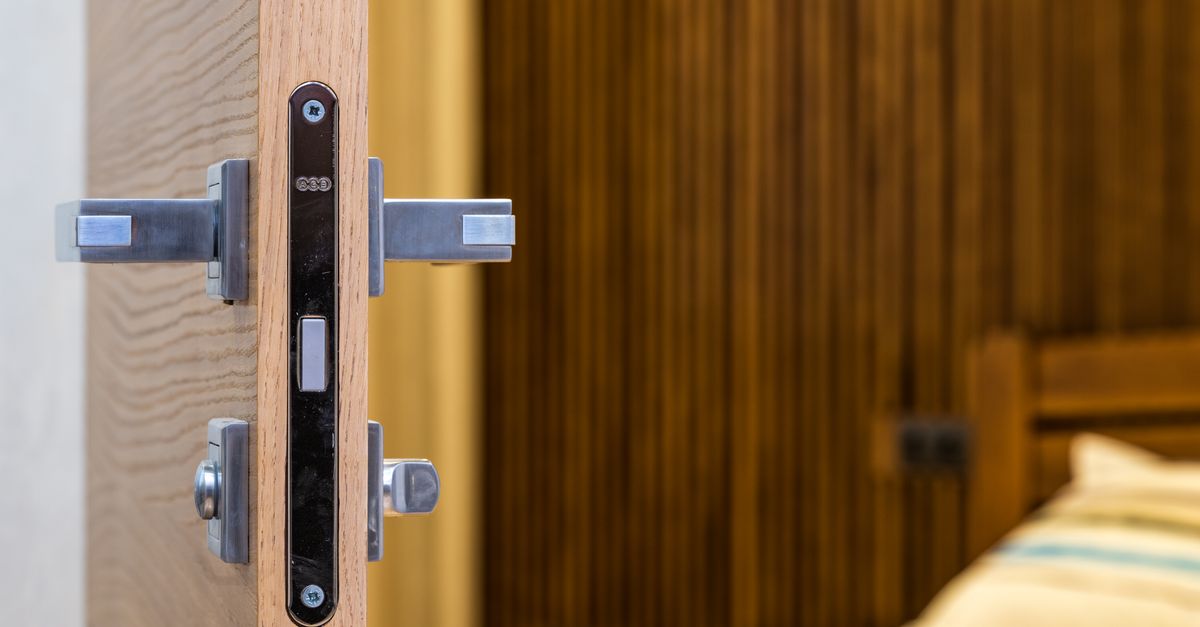
A mortise lock is a complete locking mechanism housed inside a rectangular pocket — the 'mortise' — that is cut directly into the body of the door. Unlike a standard cylindrical lock (the kind that slides into two round holes drilled straight through the door), a mortise lock set contains the latch, the deadbolt, and often a privacy or keyed function all within one unified steel case. The entire assembly is set flush into the door edge, covered by a trim plate called the escutcheon, and held in place by long screws and a face plate. You operate the latch with a lever or knob handle, and you turn the key to throw the deadbolt — both functions come from that single internal body.
Because the case is embedded rather than surface-mounted, a mortise lock distributes force across a much wider area of the door stile. That's one reason you'll find them on solid-wood entry doors built before the 1970s, on many commercial and institutional buildings, and on high-end residential doors today. Brands like Baldwin and Corbin Russwin built their reputations on this design — a Baldwin mortise lock or a Corbin Russwin mortise lock installed 40 or 50 years ago can still be fully functional today, provided the internal springs and levers haven't worn out. Understanding this distinction is the first step to understanding your own door.
## How to Tell If You Have a Mortise Lock on Your Door
Stand in front of your entry door and look at the edge — the narrow surface you see when the door swings open. A cylindrical lock will show two separate holes side by side: one for the latch bolt and one for the deadbolt. A mortise lock set, by contrast, shows a tall, narrow face plate — usually three to five inches high — running along the door edge, covering the entire lock case in one piece. That single, elongated face plate is the clearest visual giveaway. On the interior face of the door you'll also notice a large decorative plate (the escutcheon) that may be several inches tall, sometimes with a keyhole below and a thumb-turn knob above, all within one unified trim piece.
Open the door and look at the thickness of the door stile — the vertical section that holds the lock. Older Greenville homes built in the colonial or craftsman tradition often have doors that are 1¾ inches thick or thicker with a stile that can accommodate the deep mortise pocket. If you can see that the interior trim plate is significantly larger than what you'd see on a modern Schlage or Kwikset installation, and if there's no separate deadbolt cylinder above the knob, you almost certainly have a mortise lock. One more check: look for a small, separate keyhole cover — called an escutcheon insert — that swings on a tiny pivot. That detail is nearly always found on traditional mortise hardware and almost never on cylindrical locks.
## Mortise Lock Cylinder Terminology: What the Parts Are Actually Called
One source of confusion — and one reason repairs sometimes go sideways — is that the lock industry uses terminology that means something very specific. The mortise lock cylinder is the removable plug that accepts your key; it threads or clips into the mortise case but is a separate, replaceable component. When a locksmith rekeyes a mortise lock, they're usually replacing or repinning this cylinder, not the entire lock body. A rim cylinder lock, by contrast, is a cylinder that mounts on the surface of the door and connects to a separate rim latch case through the door — common on older apartment doors and secondary exits, and easy to confuse with a mortise setup at first glance.
The mortise lock set for an exterior door typically includes the lock case, the exterior trim (handle or knob, rose, escutcheon, and cylinder), and the interior trim (thumb-turn or interior cylinder, handle, and rose). Replacement parts for older Baldwin mortise lock hardware or a legacy Corbin Russwin mortise lock must often be sourced specifically — you can't simply swap in a modern cylindrical cartridge. Getting the terminology right before you call for service means the technician arrives prepared, which shortens the job and keeps the scope of work clear for everyone involved.
## Why Your Mortise Lock Matters for Repairs and Replacements — and When to Call Us
Here's the practical reality Greenville homeowners run into: a mortise lock that sticks, has a broken lever, or simply won't turn is not a job for a standard lockout kit or a cylindrical-lock replacement from the hardware store. The mortise pocket in the door was cut to exact dimensions for that specific case. Installing a cylindrical lock in its place means plugging the old mortise pocket with a wood filler or patch, drilling new holes, and potentially cutting a new strike pocket in the door frame — that's a full door modification, not a simple swap. In many cases, sourcing a direct-replacement mortise lock set or a compatible cylinder is a far cleaner solution that preserves the door's structural integrity and original look.
If your Greenville home is in a historically significant neighborhood — say, near the Greenville Country Club corridor or along Buck Road where older estates sit — matching the hardware profile may also matter for aesthetic or even deed-restriction reasons. A skilled locksmith who understands mortise hardware can often rekey or rebuild your existing lock, replace the mortise lock cylinder, or source a compatible replacement case without touching the door itself. If a full replacement is the right call, the factors that shape your final quote include the specific lock make and model, the parts required, travel distance from our base, and the time of day — we always confirm an exact up-front price before any work begins, so there are no surprises. If you're unsure what you have or what the right path is, call (704) 850-6756 and we'll walk you through it — we answer 24/7.
Beyond residential mortise work, our team handles a wide range of locksmith services for homes, businesses, and vehicles across the Greenville area, including: residential lockout assistance, commercial lockout response, car lockout service, rekey after a move or lease change, deadbolt installation and upgrade, mortise lock repair and replacement, mortise lock cylinder rekey, rim cylinder lock replacement, high-security lock installation, master key system design, access control installation, keypad and smart lock setup, file cabinet and mailbox lock service, garage door lock service, door knob lock replacement, padlock removal, window lock installation, lock repair after attempted break-in, intercom and gate lock service, safe opening and combination change, transponder key cutting, car key replacement, key fob programming, ignition repair and replacement, broken key extraction from any lock type, and after-hours emergency locksmith response. Whether your need is planned or urgent, we bring the right tools for the lock in front of us.
## Mortise Locks in the Broader Locksmith World: U.S. vs. U.K. Standards and Why Specialization Matters
Locksmith work is more specialized than most people realize, and the mortise lock sits at the center of that specialization story. In the United States, the lock industry largely shifted to cylindrical prep doors after World War II, driven by manufacturing efficiency and tract housing construction. As a result, many residential locksmiths today are trained primarily on cylindrical and deadbolt hardware — the mortise lock became a specialty skill associated with older homes, commercial buildings, and high-end residential projects. Organizations in the U.S. promote training standards, but there is no single federal licensing requirement; regulation varies state by state, which means the depth of a technician's mortise expertise can vary widely. Delaware requires locksmiths to follow state and local business regulations, and working with a professional, insured locksmith protects you legally and practically.
In the United Kingdom, the mortise lock — specifically the five-lever deadlock conforming to BS 3621 — is the dominant residential standard and a requirement for most home insurance policies. British homeowners are well-versed in the terminology in a way most American homeowners aren't. Knowing that context explains why a trained locksmith who has worked across different systems and standards brings a genuinely different level of knowledge to your door — they understand why the design exists, what makes it secure, and what failure modes to look for. When you call Reliable Wilmington Locksmith, you're getting a team that understands mortise hardware at that level of depth, whether the job is a legacy Corbin Russwin case in a Greenville estate home, a Baldwin mortise lock set on a newer high-end build, or a commercial mortise application in a downtown office. We don't treat every lock the same, because they aren't.
## Before You Call: Quick Checks Every Homeowner Should Do First
Before you pick up the phone — especially if the lock is just sticking or slow — there are a few safe, non-invasive things worth checking. First, look at the door alignment: mortise locks on older doors are sensitive to seasonal wood movement, and a door that has swollen or settled may simply be binding the latch bolt against the strike plate rather than failing internally. Try lifting slightly on the door handle while turning the key; if that releases it, alignment is the issue, not the lock mechanism. Second, check the strike plate screws — they back out over time on older wood frames. Tightening them costs nothing and sometimes resolves a sticky latch entirely.
If the cylinder turns but the bolt doesn't move, or if the lever handle moves but nothing engages, those are signs of internal wear in the lock case — springs, cams, or levers that need a professional eye. Never apply oil to a mortise lock without knowing what lubricant is safe for that mechanism; petroleum-based oils can gum up the internal works and make a moderate problem into a major one. A dry graphite lubricant is generally safer, but if you're unsure, wait for a professional rather than risk it. And if you're fully locked out — unable to get into your home — don't attempt to force the door or manipulate the lock yourself. Check for a spare key with a trusted neighbor, try any secondary entrance you have legitimate access to, and if those options are exhausted, call (704) 850-6756. We're a 24/7 mobile locksmith serving Greenville and surrounding Delaware communities, and we can be at your door when you need us most.
Frequently asked questions
How much is the average locksmith charge for a mortise lock repair or replacement?+
There's no single flat figure because several variables shape the final price: the specific lock make and model (a legacy Corbin Russwin or Baldwin mortise lock set may require sourced parts), whether the job is a rekey, a cylinder swap, or a full case replacement, the time of day, and travel distance to your Greenville location. What we do commit to is confirming an exact up-front price before any work begins — no hidden additions after the fact. Call (704) 850-6756 for a clear quote specific to your situation.
How long does it usually take for a locksmith to come to Greenville, DE?+
As a mobile locksmith, our response time depends on where we are when you call and current traffic conditions, but we operate 24 hours a day, 7 days a week, specifically to minimize wait times for Greenville-area homeowners. For urgent lockouts or emergency locksmith calls, reaching us immediately at (704) 850-6756 gives us the best chance to get someone to your door quickly.
Can a locksmith make a key from a lock — including an old mortise lock?+
Yes, in most cases. A skilled locksmith can disassemble a mortise lock cylinder, read the pin configuration, and cut a new key to match — a process called impressioning or decoding, depending on the method. This is especially useful for older mortise lock sets where the original keys have been lost and no spare exists. The condition of the cylinder and whether the pins are still in good shape will determine what's possible, but it's a legitimate and surprisingly common service request for older Greenville homes.
Should I tip my locksmith?+
Tipping is entirely a personal choice and is never expected. Locksmiths, like other skilled tradespeople, are compensated through the service fee for their work. If a technician went out of their way — arrived quickly in an emergency, explained everything clearly, or solved an unusual problem with a legacy mortise lock — a tip is a appreciated gesture, but it is completely optional and there is no standard expectation in the locksmith trade.